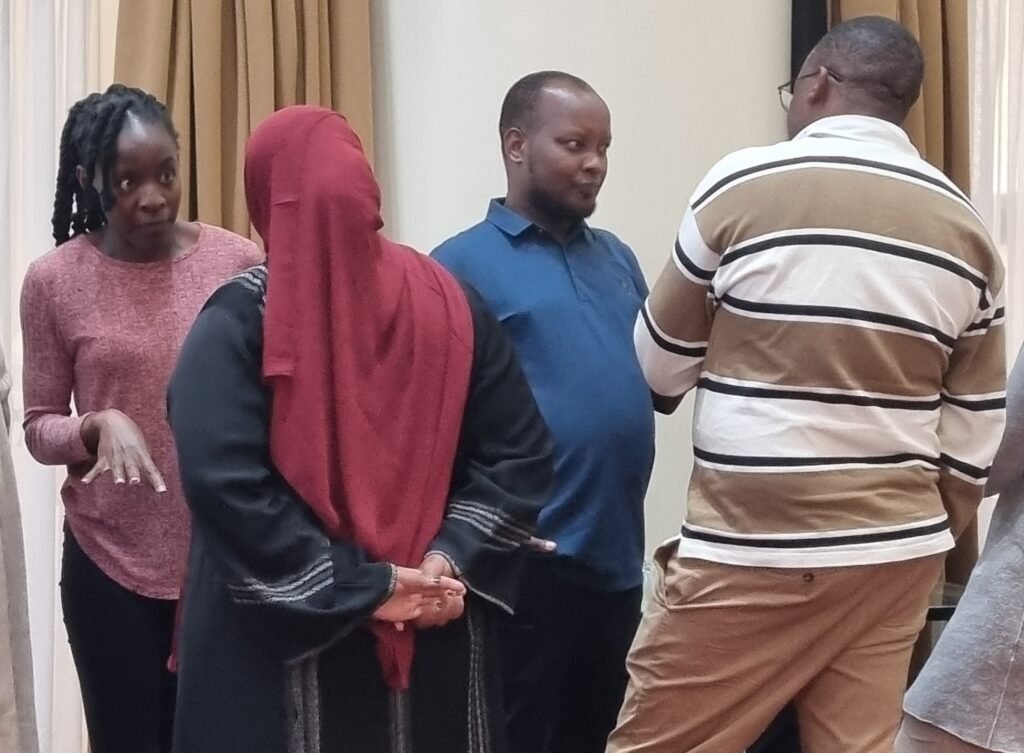
On 3 October, following an ICPALD, Jameel Observatory for Food Security Early Action and SPARC programme 2-day dialogue on dryland resilience, policy, and locally led solutions, we convened a half-day research and networking exchange for early career researchers, students, scholars and others studying and working in this space.
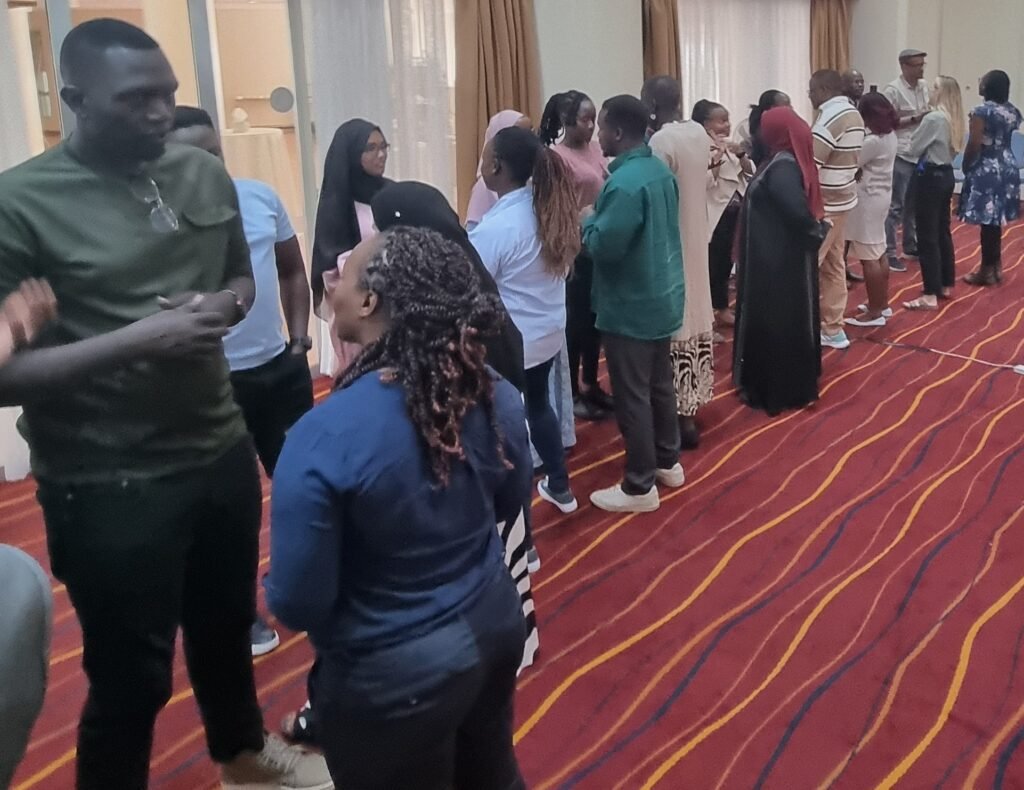
The aims of the exchange event included:
- Connect and reinforce the ‘next generation’ of dryland scholars in the region
- Provide learning and networking opportunities for participants
- Explore and make visible emerging African research and scholarship on drylands and pastoralism
The half-day exchange was convened under the auspices of the Dryland Futures Academy and drew in expertise from various partners and collaborators. It explicitly built on the core student group brought together by CRDD, Tufts University and the Jameel Observatory at a drylands summer school held in Isiolo in late February 2025.
After a process introduction and welcome by Peter Ballantyne (University of Edinburgh), Hussein Tadicha Wario (CRDD) gave welcome remarks, Tahira Mohamed (ILRI) and Guyo Malicha Roba (ICPALD) shared ideas on a potential early career network. Following an introductory exercise, participants brainstormed ideas for an informal group or network to be set up.
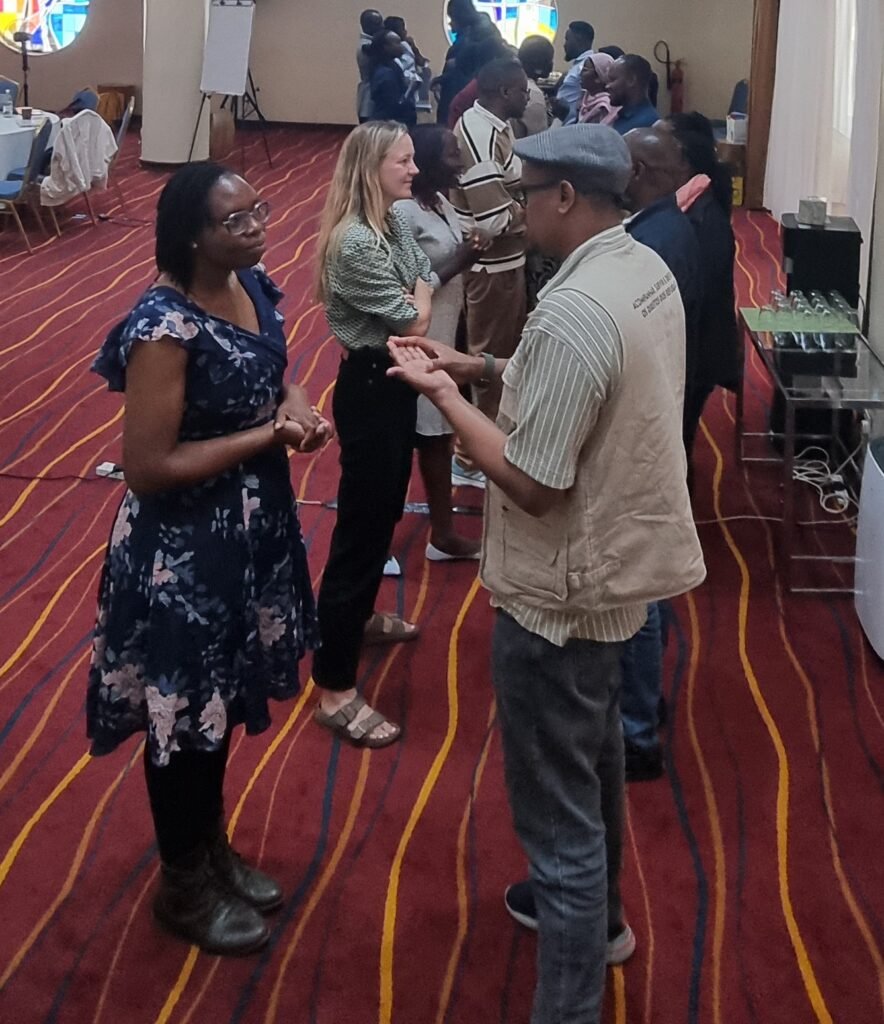
The group brainstormed ideas around network potential benefits and purpose, structure, impact and dissemination and operationalization and agreed to interact furher Some take-away points included:
- Fundamental purpose: a network must balance serving individual career development vs. community impact – “are we doing it for ourselves or for the communities?
- Sustainability challenge: The biggest challenge for an Africa scholars is after the MSc or PhD, what next? – network must address post-graduation support to prevent continental brain drain
- Structure preference: Experience suggests “loose network, amorphous network” works better than rigid formalization, though funding requires some formalization
- Immediate practical needs: Members want skill-sharing, scholarship guidance, and networking contacts
- Regional approach essential: Multiple hosts and regional sub-networks needed for accessibility and sustainability
- Policy influence: Long-term vision includes changing narratives in dryland areas and engaging government to influence policy through collaborative research.
To join the network or to get more information, contact John Mutua (john.mutua@ed.ac.uk), join the email group: https://jo.dgroups.io/g/scholars